
 18 Apr 2025
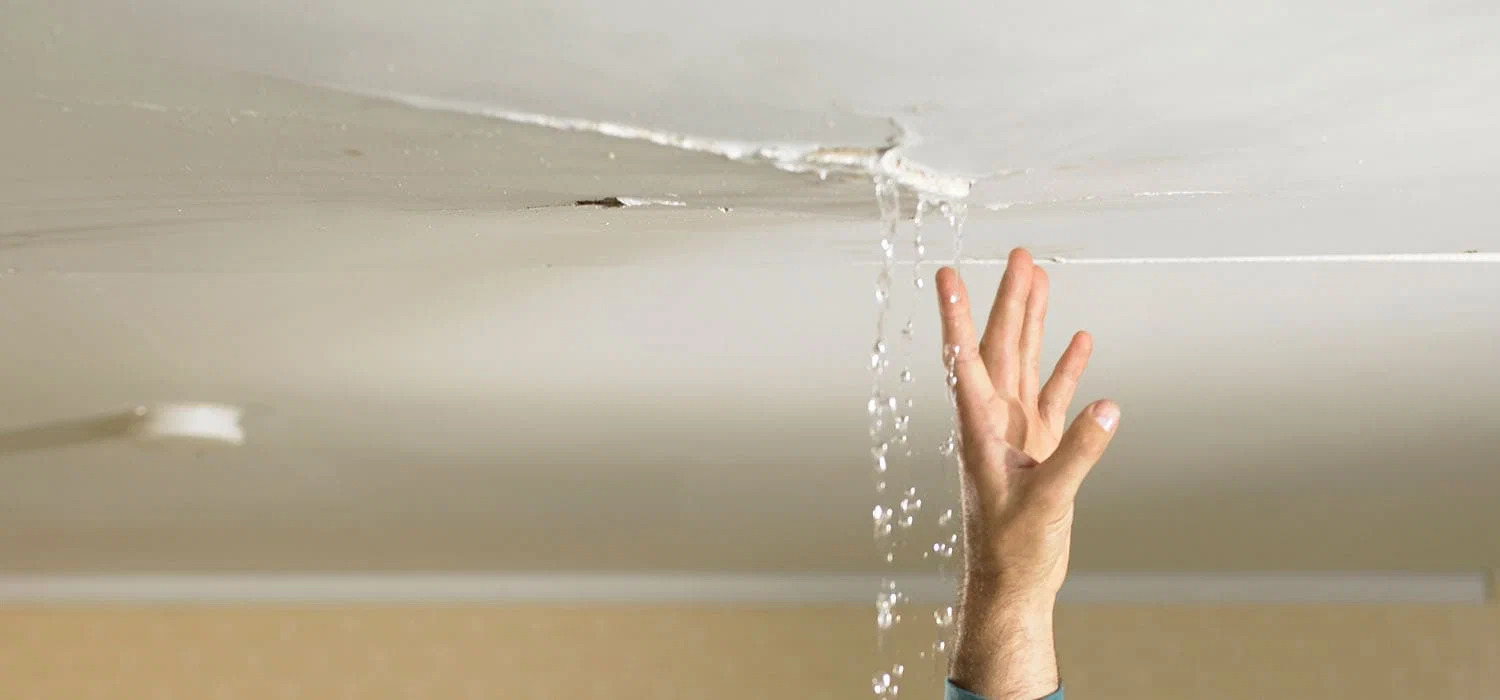
Ceiling leaks are one of those problems you notice too late. A small stain, a bit of bubbling paint, or a damp patch may not seem serious at first. But behind that patch, water is quietly making its way through your ceiling, walls, or roof. If you don’t catch it in time, it leads to costly repairs, mould, and damage to your home.
Many homeowners turn to HDB plumbers when leaks first appear, especially when the source is unclear. These specialists are trained to handle ceiling leaks in flats and residential units, making it easier to stop the problem early.
In this guide, you’ll learn how to spot ceiling leaks early, what causes them, and how to fix them step by step.
Why Do Ceiling Leaks Happen?
Water leaks when water escapes from places it shouldn’t. The source is often the roof, pipes, or appliances — and the damage spreads quickly if left unchecked.
Common Causes of Ceiling Leaks
There are four main sources of leaks in ceilings:
Damaged Roofing
Roofs endure constant sun and rain, causing tiles to crack or go missing over time. Damaged flashing or clogged gutters also let rainwater seep in. Once water enters the roof space, it travels downward and eventually appears as visible ceiling leaks.
Plumbing Problems
Pipes run through your ceilings and walls. If they shift, crack or rust, water leaks out. Leaks often appear below bathrooms or kitchens. Toilet bowls, taps, and shower pipes are usual trouble spots.
Burst Pipes
Sometimes pipes don’t just leak—they burst. This is often due to ageing, water pressure, or temperature changes. A burst pipe releases a large amount of water quickly. The result? A flooded ceiling.
Leaking Appliances
Upstairs washing machines or dishwashers may leak. If water spills and the floor isn’t sealed well, it seeps into the ceiling below. The leak may be slow, but the damage builds up over time.
Signs That Point to a Ceiling Leak
You don’t need tools to notice ceiling leaks. The signs are usually clear. You just need to know what to look for.
Patches or Stains on the Ceiling
Dark or yellow stains are early warning signs of a leak. These ring-shaped patches slowly expand as water spreads. Their colour usually comes from minerals in the water or dirt collected as moisture travels through the ceiling.
Peeling or Bubbling Paint
When moisture builds up under the paint, it causes bubbles. The paint may peel off in strips or flakes. You might even notice cracks forming near the patch.
Mould or Musty Smell
If a leak goes unnoticed, the dampness encourages mould. You may see dark spots or streaks. You may also smell a musty odour that doesn’t go away. That smell is trapped moisture.
Sagging or Soft Ceiling
If a part of your ceiling starts to dip or feels soft, it’s holding water. This can be dangerous. In some cases, sections of the ceiling may collapse if left too long.
Fixing Ceiling Leaks Based on the Cause
You’ve spotted the signs. Now it’s time to fix the issue. First, identify where the water is coming from. Once you know the source, follow the correct steps to fix the issue properly.
1. Roof Leaks
Roof leaks are common. Rain gets in through cracked tiles or poor flashing. It then travels across beams and drips into your ceiling.
What You Should Do:
- Check for missing or cracked roof tiles
- Look for damaged flashing around chimneys or vents
- Inspect your attic (if you have one) for damp spots
- Clear out leaves and dirt from gutters
- Seal small gaps with waterproof tape or sealant
- Call a roofing expert for large or repeated leaks
2. Plumbing Leaks
These leaks usually come from upstairs bathrooms or kitchens. They may start small but get worse fast.
What You Should Do:
- Turn off the main water valve
- Look under sinks, around toilets, and behind panels
- Tighten loose fittings if you can reach them
- Replace worn seals or caulk around tubs and sinks
- If unsure, call a licensed HDB plumbers to inspect and repair
3. Burst Pipes
Burst pipes often cause sudden water flow. If the ceiling floods or leaks heavily, this may be the reason.
What You Should Do:
- Turn off your main water supply straight away
- Run taps to drain water left in the pipes
- Find the broken pipe (this may be inside a wall or under a floor)
- Use pipe repair tape or a pipe clamp for a short-term fix
- Arrange for a plumber to replace the pipe fully
4. Leaky Appliances
Leaks from upstairs appliances are easy to miss. They may only drip during use.
What You Should Do:
- Switch off the appliance and unplug it
- Check hoses and water supply lines for cracks or wear
- Clean out any blocked filters or drainage pipes
- Run a test cycle to spot the leak
- If the leak returns, call a technician to inspect it properly
How to Stop Ceiling Leaks Before They Start
Most ceiling leaks can be prevented with regular care. You don’t need expensive tools or much time. A few checks here and there save a lot of money and stress.
Roof Care
- Check your roof twice a year
- Look for missing tiles, cracks, or gaps
- After strong winds or storms, inspect again
- Keep gutters and downpipes free from leaves
Pipe Maintenance
- Look for rust or damp under sinks
- Touch exposed pipes to check for leaks
- Listen for dripping sounds at night
- Don’t ignore strange water bills or low pressure
Appliance Checks
- Check washing machine and dishwasher hoses
- Replace hoses every few years
- Don’t overload your machines
- Make sure your floors are sealed properly to stop water seeping below
When It’s Time to Call a Pro
Some leaks can be sorted with simple fixes. Others are harder to trace or need special tools. Here’s when you should ask for expert help:
- Water keeps leaking no matter what you do
- You can’t find where the leak starts
- The ceiling feels soft or starts to sag
- Mould keeps coming back
- You’re not confident fixing it yourself
Professional HDB plumbers or waterproofing specialists can trace hidden leaks and do full repairs. They’ll also check the area around the leak for more damage.
Final Thoughts
Ceiling leaks are not just a small problem. They are a sign that something in your home isn’t working right. Whether it’s your roof, pipes, or a leaking appliance, water can spread fast and cause serious damage.
The good news? You can stop most leaks before they get worse. Check your home now and then. Notice small stains. Don’t wait for paint to fall or for ceilings to sag.
And if the job seems too big? Call someone professional to fix it the right way.
K. Heng Plumbing provides fast and reliable plumbing help across Singapore. Their team can handle ceiling leaks, pipe repairs, and more—so your home stays safe and dry.
Frequently Asked Questions:
If water is leaking from ceiling constantly, the ceiling sags or stains grow quickly then the leak is serious. Seek professional help immediately.
A small leak may dry in 24-48 hours. Larger leaks take several days especially if water soaks deep into the ceiling.
If you see freshwater spots, peeling paint or sagging areas then act fast. Ignoring the problem can lead to bigger damage.
Yes. Water weakens the ceiling material which causes cracks and in severe cases even collapse.
Water damage can appear in hours or take weeks. Slow leaks often cause hidden damage before visible signs appear.
If the damage is minor, drying and repainting may be enough. But if the ceiling sags, mould grows or damage is deep then replacement may be needed.