
 11 Jul 2026
 Warm water plays an important role in everyday comfort, whether for showering, washing dishes, or completing household chores. Choosing the right water heater installation ensures your home has a reliable hot water supply while meeting your family’s daily needs. Before installing a new unit, it is helpful to understand how different water heater systems work, what the installation process involves, and the factors that influence pricing.
This guide explains water heater installation in a simple and practical way, helping homeowners make informed decisions. It also provides an overview of water heater installation cost in Singapore, allowing you to understand what affects the overall installation and plan your budget with greater confidence.
Understanding Water Heater Systems
Different water heater systems are designed to suit different household requirements. Some provide hot water instantly, while others store heated water for continuous use. Understanding these options makes it easier to choose the right system for your home.
-
Instant Water Heaters
Instant water heaters heat water only when it passes through the unit, providing hot water almost immediately. Their compact size makes them suitable for smaller bathrooms and apartments where space is limited. They are popular among homeowners who only require hot water for one bathroom at a time.
However, because water is heated on demand, the amount of hot water available is limited. Larger households with multiple users may find instant heaters less suitable during peak usage periods.
-
Storage Water Heaters
Storage water heaters heat and store water inside an insulated tank until it is needed. They provide a continuous supply of hot water, making them ideal for larger families and homes with multiple bathrooms.
Although storage heaters require more installation space, they offer stronger water pressure and greater convenience when several people need hot water simultaneously.
-
Gas Water Heaters
Gas water heaters use gas instead of electricity to heat water efficiently. They are commonly installed in homes with an existing gas supply and provide consistent heating performance.
Since gas heaters require additional safety considerations and gas connections, the water heater installation process often involves more planning than other heater types.
Factors That Affect Installation Costs
Several factors influence the total installation cost. Understanding these factors allows homeowners to estimate costs more accurately before beginning the installation.
-
Type of Heater
The type of heater selected significantly affects installation requirements. Instant water heaters usually involve a simpler installation process, while storage heaters require stronger wall support and additional plumbing work due to their larger size.
As a result, the selected heater directly influences the overall water heater installation cost in Singapore.
-
Installation Complexity
Every property has different installation conditions. Some homes have straightforward layouts that allow quick installation, while others require additional work because of restricted spaces, concealed piping, or structural limitations.
More complicated installations generally require additional labour and increase the total installation cost.
-
Electrical Requirements
Every water heater requires a safe electrical connection. If the existing electrical system cannot support the new heater, additional wiring or electrical upgrades may be necessary before installation can proceed safely.
These upgrades increase both installation time and overall project costs.
-
Plumbing Modifications
Water supply pipes must connect correctly to the new heater. If the existing plumbing layout does not match the new unit, pipe adjustments or replacements may be required.
Additional plumbing work increases installation complexity and contributes to the final installation cost.
Water Heater Installation Process
Understanding each stage of the installation helps homeowners know what to expect throughout the project.
-
Site Inspection
The installation begins with a thorough site inspection. The installer assesses the available space, electrical connections, water supply, and pipe layout to ensure the chosen heater is suitable for the property.
-
Removal of Existing Heater
If an old heater is already installed, it is carefully disconnected and removed without damaging surrounding pipes, fittings, or wall surfaces. This prepares the area for the new installation.
-
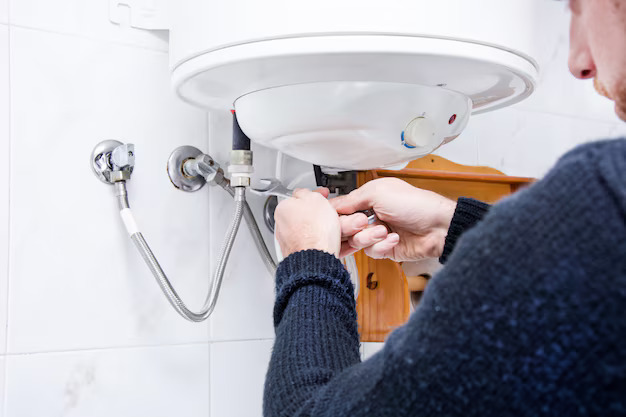
Installing the New Water Heater
The new heater is securely mounted using suitable brackets and fixing methods. Storage heaters require stronger structural support due to their weight, while instant heaters are generally easier to mount because of their compact design.
-
Connecting Water Supply and Electrical System
Once the heater is installed, the plumbing and electrical connections are completed carefully. Proper installation ensures reliable water flow, safe electrical operation, and compliance with installation standards.
-
Testing the System
After installation, the entire system undergoes testing to confirm that the heater functions correctly. Water temperature, pressure, electrical connections, and overall performance are checked to ensure safe operation before handover.
Factors That May Increase Installation Costs
Every home presents unique installation requirements that may affect the total cost.
-
New Installation vs. Replacement
Replacing an existing heater is generally simpler because electrical wiring and plumbing connections are already available.
A completely new heater installation often requires additional electrical wiring, plumbing work, and structural preparation, resulting in higher installation costs.
-
Property Type
Apartments and HDB flats often provide relatively straightforward installation conditions because of their standardised layouts.
Larger homes, landed properties, and multi-storey houses may require longer pipe runs, additional electrical work, and more extensive planning, increasing the complexity of the installation.
-
Space Constraints
Small bathrooms and confined utility areas make installation more challenging. Installers often require additional time and care when working within restricted spaces, which may increase labour requirements.
Choosing The Right Heater For Your Home
Selecting the right water heater depends on your family’s daily usage, available space, and future requirements.
-
Household Size
Smaller households often benefit from instant water heaters due to their compact design and lower installation requirements.
Larger families generally prefer storage water heaters because they provide a continuous supply of hot water for multiple users.
-
Bathroom Requirements
Homes with multiple bathrooms typically require systems capable of supplying hot water to several outlets simultaneously. Understanding your household’s usage pattern helps determine the most suitable water heater.
-
Future Household Needs
When selecting a water heater, homeowners should also consider future lifestyle changes. Growing families may eventually require greater hot water capacity, making it worthwhile to invest in a larger system from the beginning.
Conclusion
A properly installed water heater provides comfort, convenience, and reliable hot water for everyday living. Understanding the different system types, installation procedures, and the factors that influence water heater installation cost in Singapore allows homeowners to plan their projects with greater confidence.
By selecting the right system, preparing the installation properly, and understanding the overall water heater installation process, families can enjoy a safe, efficient, and dependable hot water supply for many years.
FAQs
A site check helps understand space, wiring, and pipe layout before installation begins in the home.
A site inspection is carried out first to assess the available space, plumbing layout, and electrical connections before the water heater installation begins.
Instant water heaters are generally recommended for smaller homes because they occupy less space and provide hot water on demand.
The cost varies depending on factors such as property layout, plumbing modifications, electrical requirements, installation complexity, and the type of water heater selected.
Yes. Damaged or incompatible plumbing may require repairs or modifications to ensure the new water heater operates safely and efficiently.
Homeowners should ensure the system is installed correctly, all electrical and plumbing connections are properly tested, and the unit is thoroughly inspected before regular use.